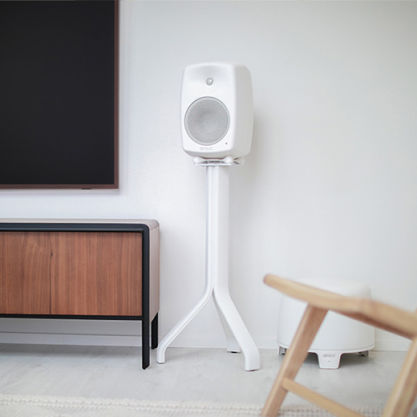
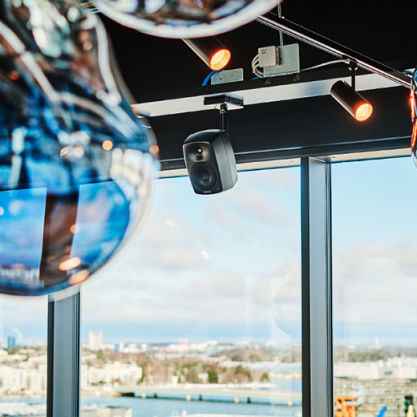
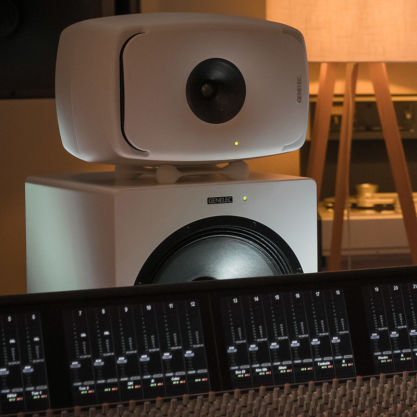
Erittäin pienikokoinen Genelec 7040A subwoofer toistaa matalat taajuudet tarkasti pienissä kuunteluympäristöissä.
7040A
Studiosubwoofer

Active Crossovers

Bass Management

SPL
100 dB

Taajuusvaste
30 Hz - 90 Hz (-6 dB)

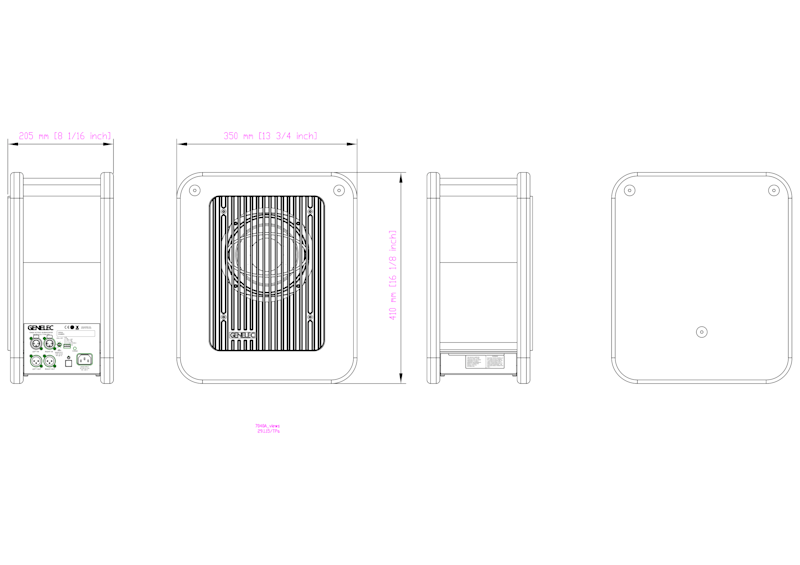
Mitat
H 410 x W 350 x D 205 mm, (muunna tuumiksi)
Ei vain 'lisää bassoa'
Hyvä subwoofer on paljon enemmän, kuin lisää bassoa. 7040A subwooferin spiraali muotoilu varmistaa korkean äänenpaineen sekä tarkan ja värittymättömän vasteen aina 30Hz:in saakka. 7040A luo 8010 tai 8020 Tarkkailukaiuttimien kanssa täysikaistaisen järjestelmän.
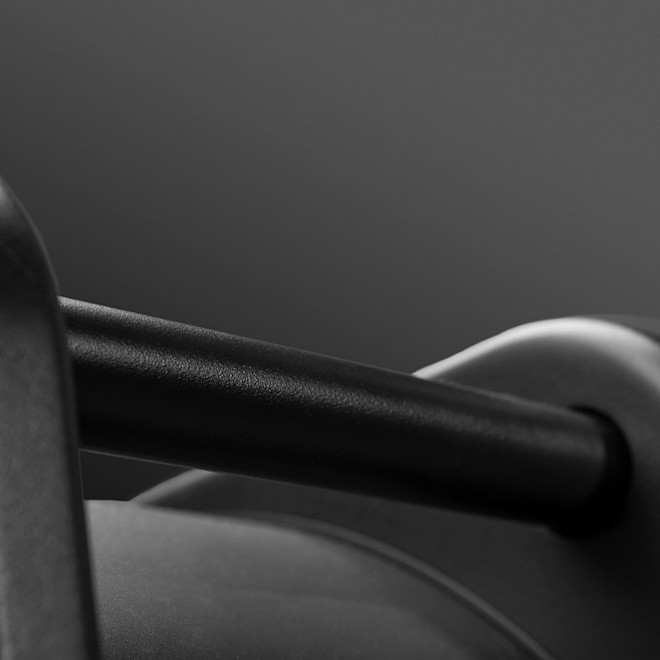
Ensiluokkaista bassonhallintaa
Genelec 7040A tuottaa luotettavan matalien taajuuksien toiston mukaan otettavassa koossa. Se sopii hyvin yhdistettäväksi Genelec 8010- ja 8020-tarkkailukaiuttimiin. Subwooferin taajuusvaste ulottuu alas 30 hertsiin saakka. Kokoon suhteutettuna erinomainen suorituskyky on mahdollista Genelecin patentoiman Laminar Spiral Enclosure (LSE™) -kotelorakenteen ansiosta. Rakenne takaa suuren bassotoiston tarkkuuden ja laajan matalien taajuuksien toistokaistan. Tämä matalasäröisen stereoalabassokaiuttimen 6½-tuumainen bassoelementti ja tehokas Genelecin suunnittelema D-luokan tehovahvistin tuottavat jopa 100 desibelin äänenpaineen.
Genelec
7040A Studiosubwoofer
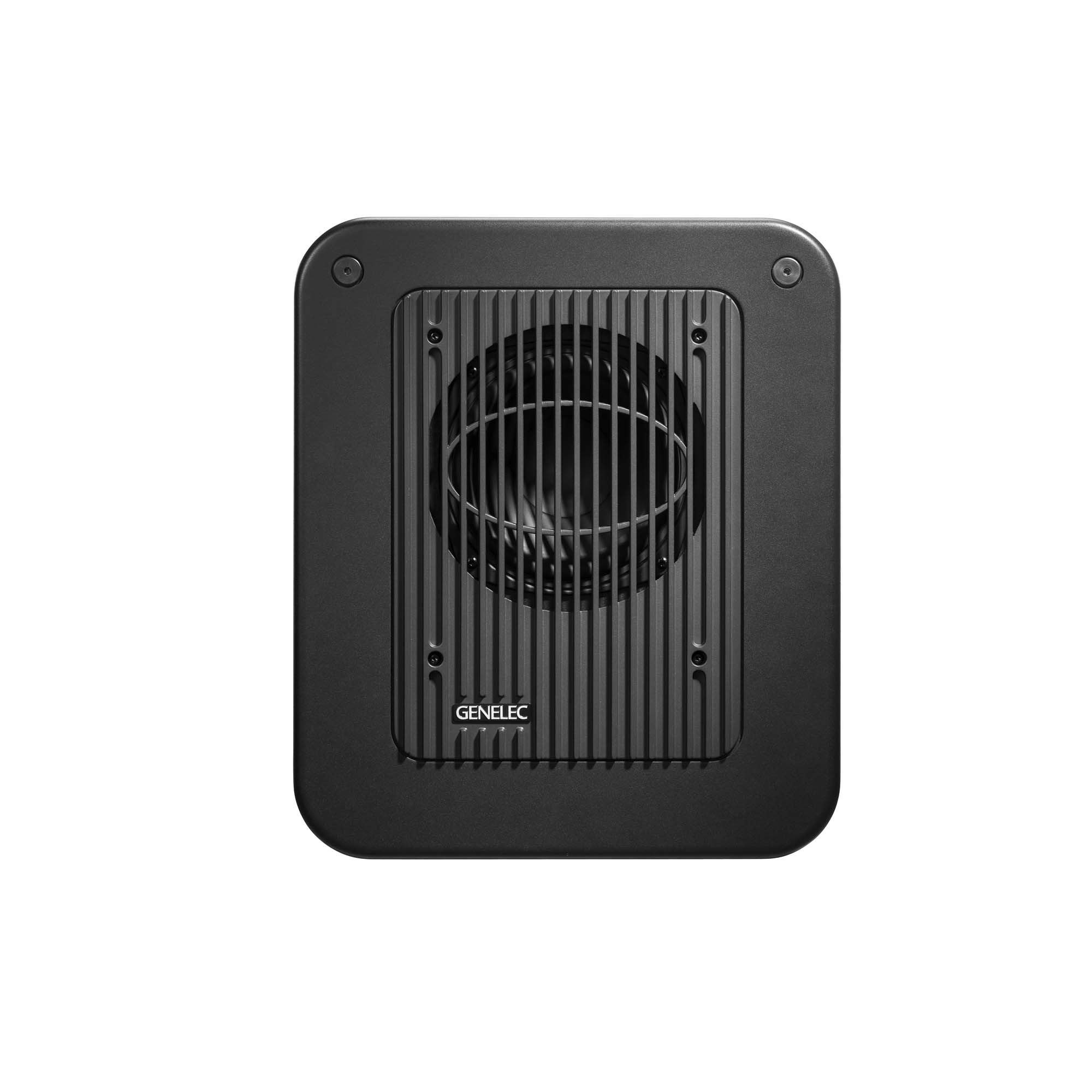
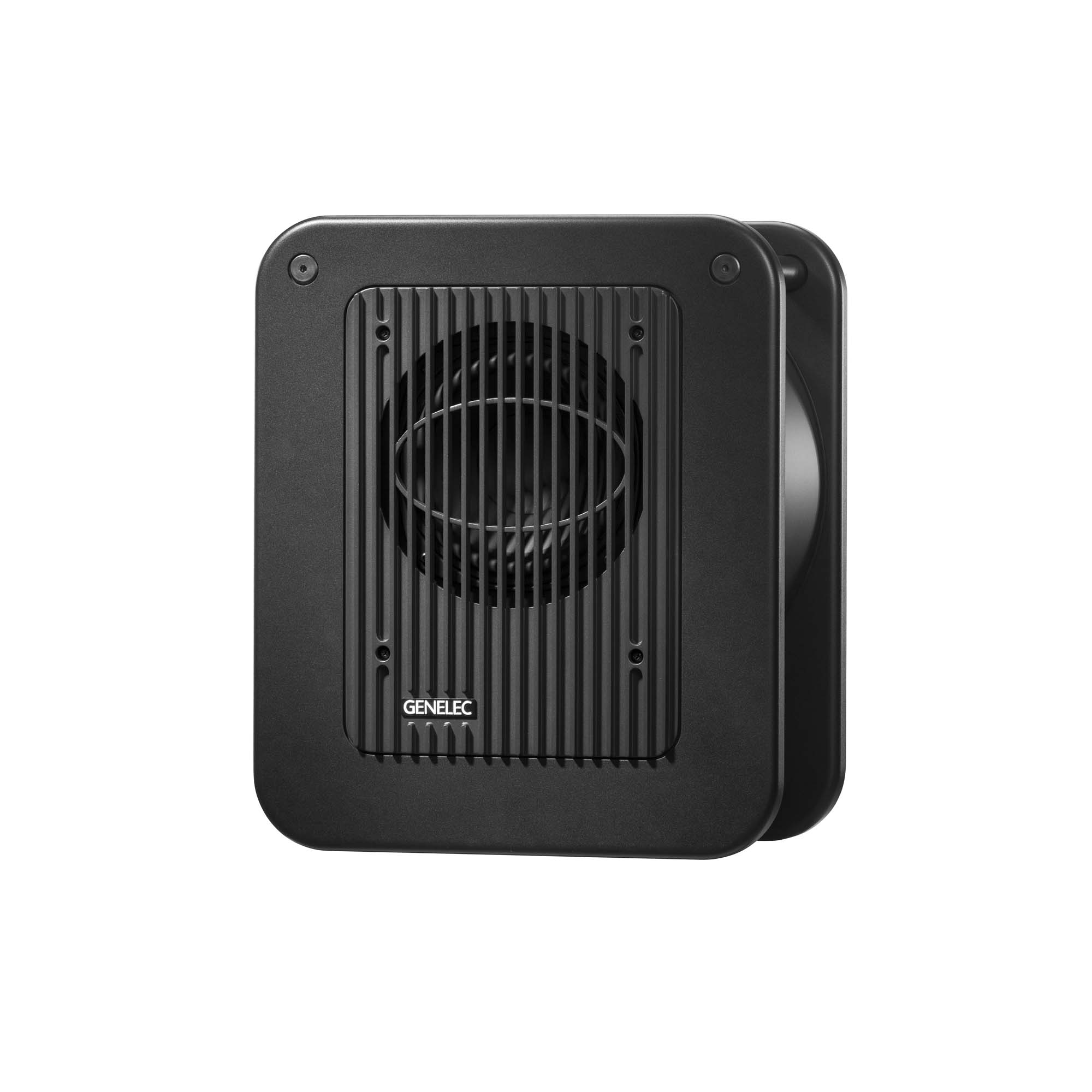
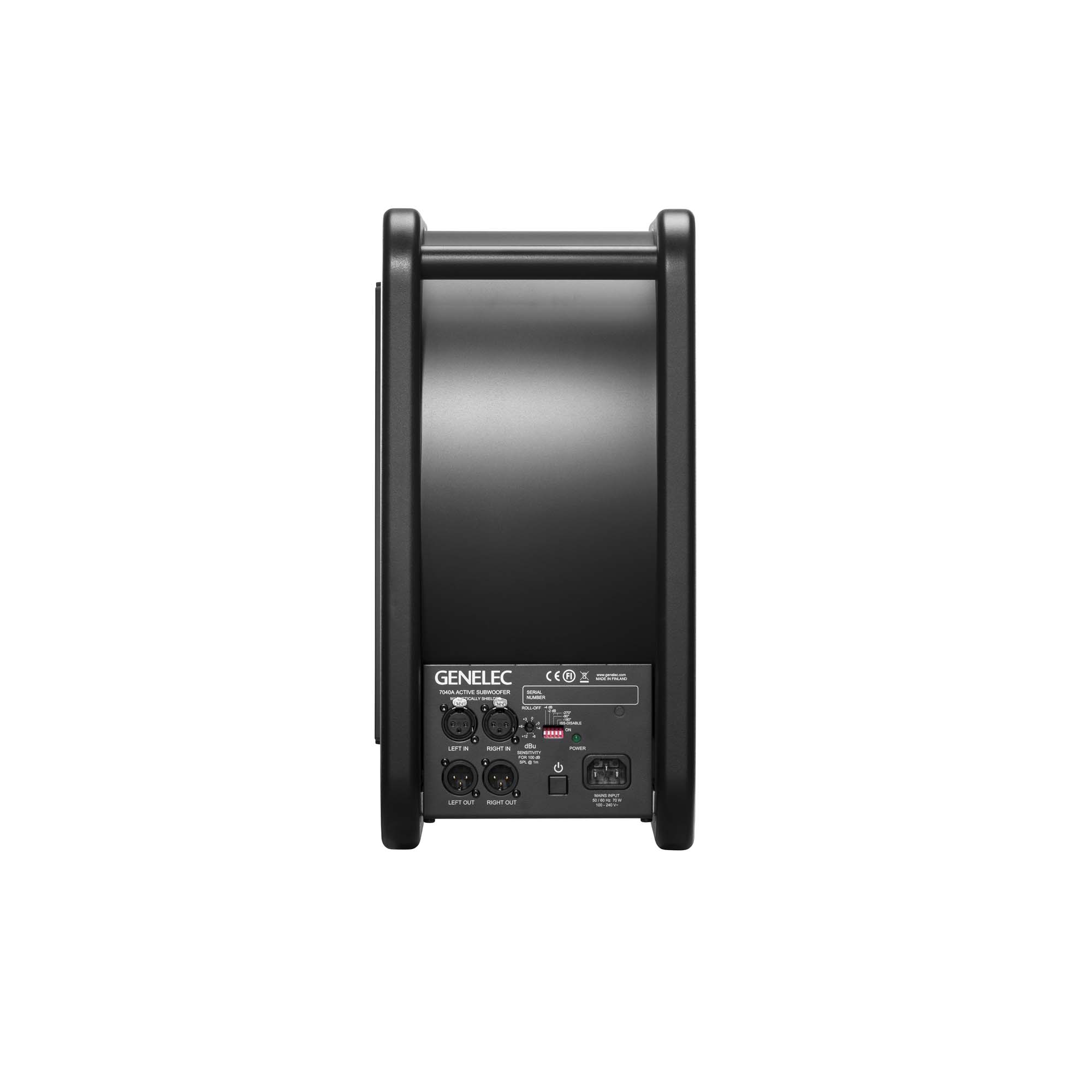
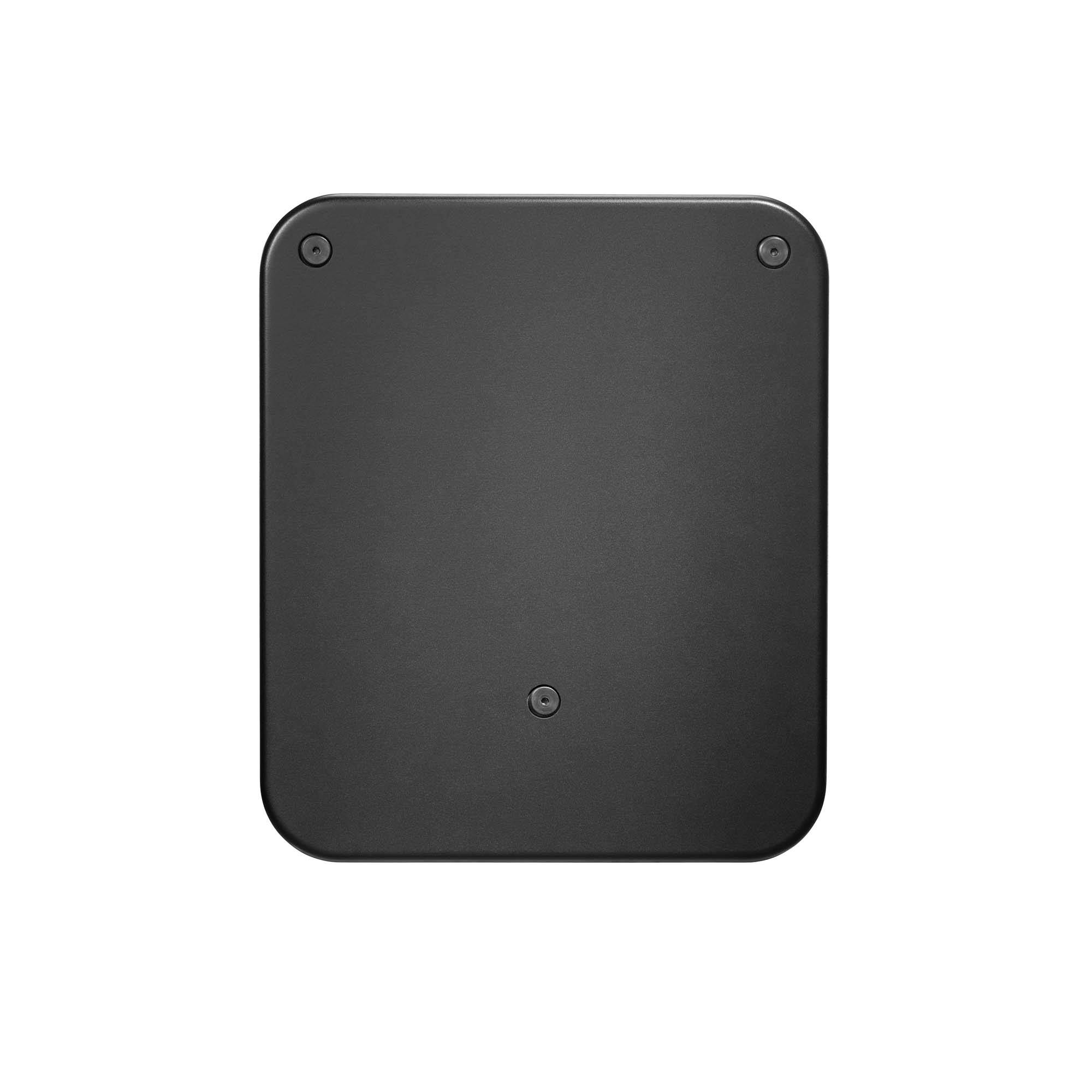
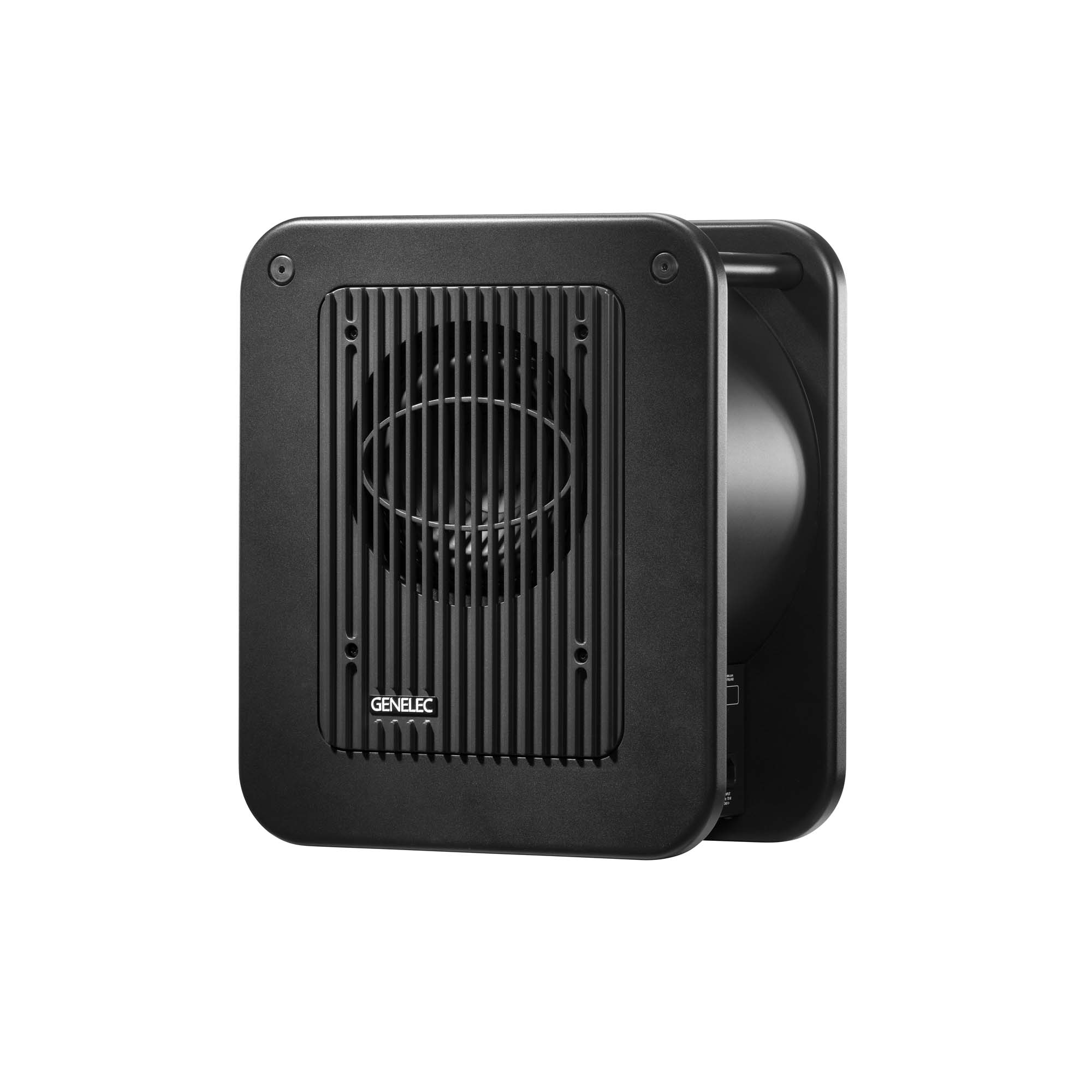
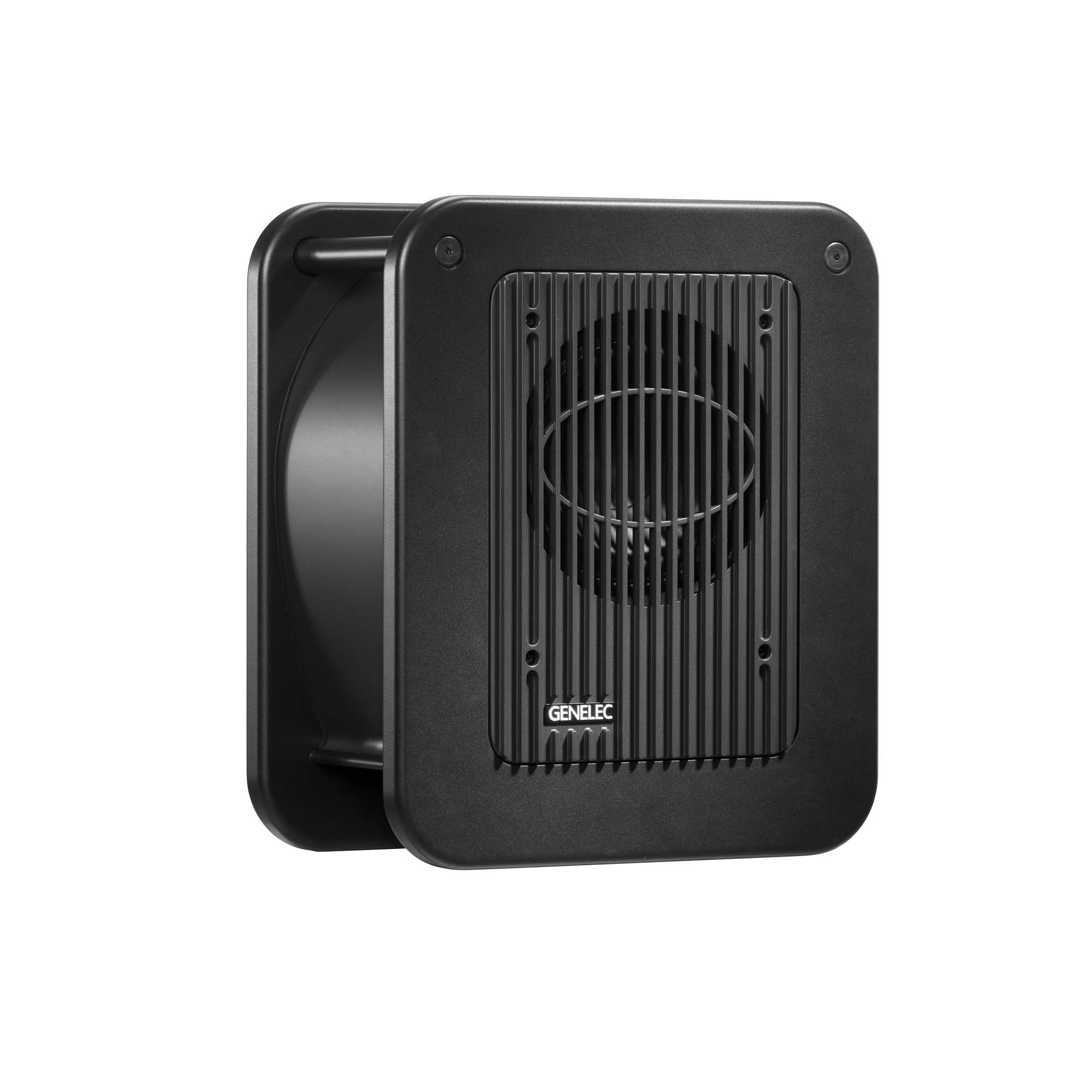
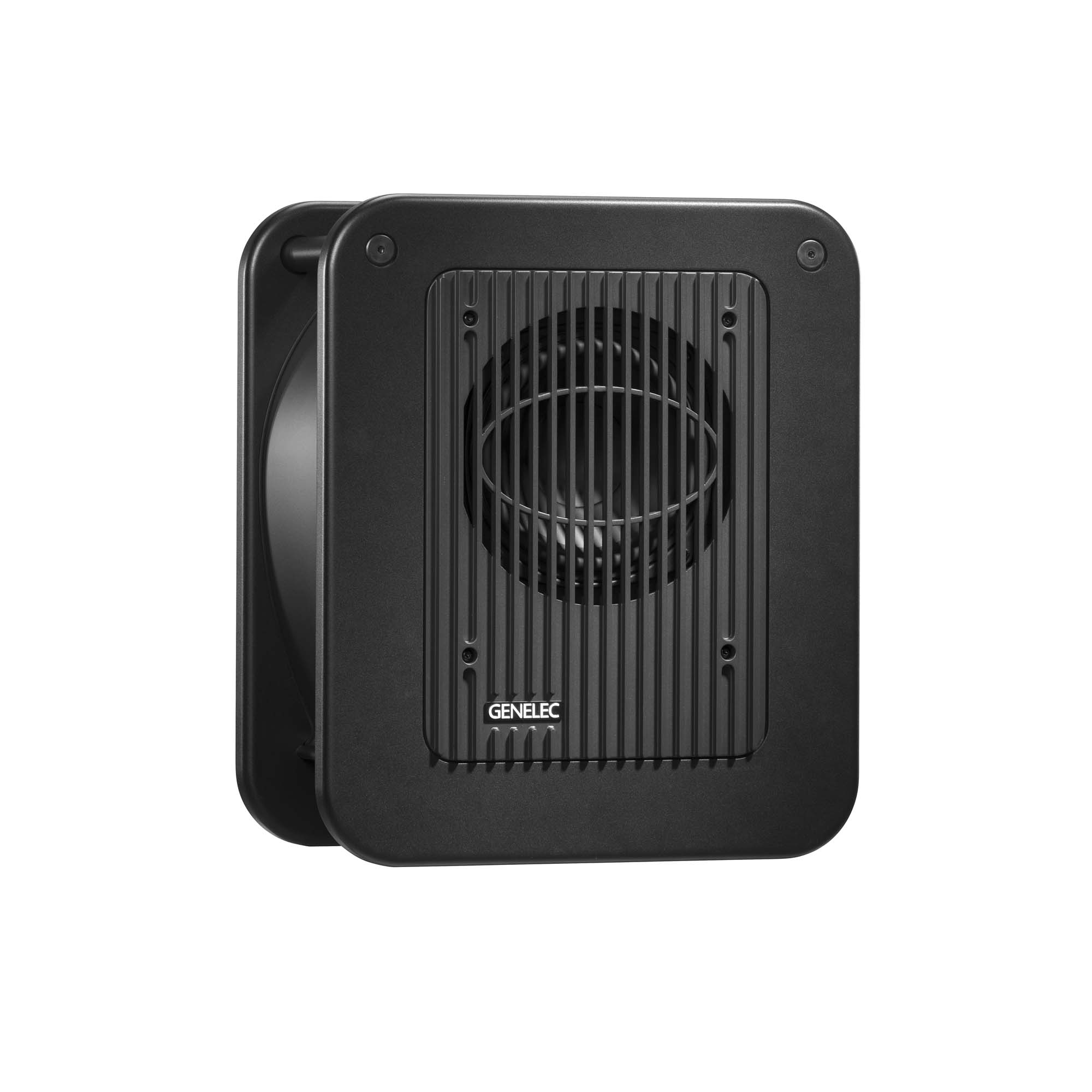

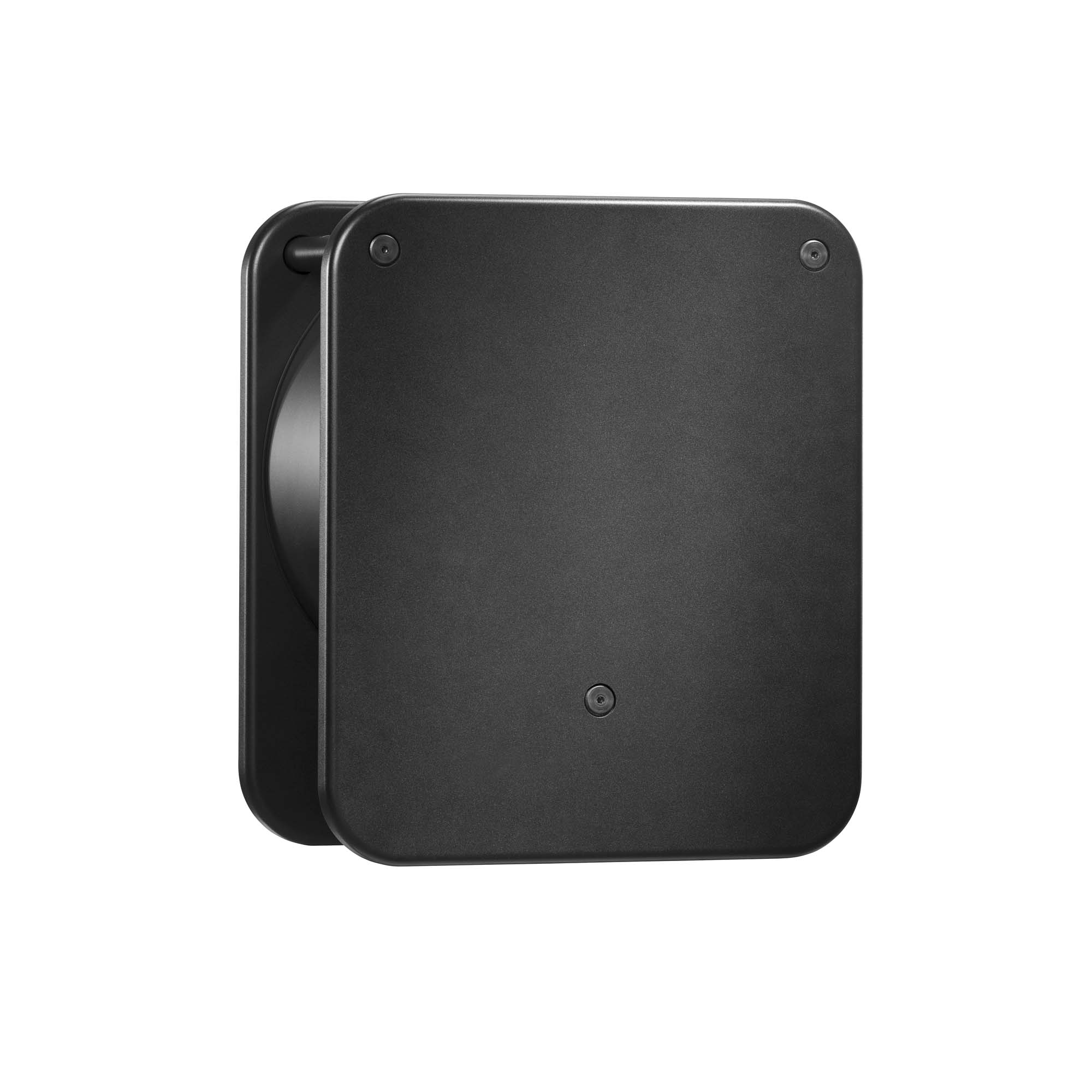
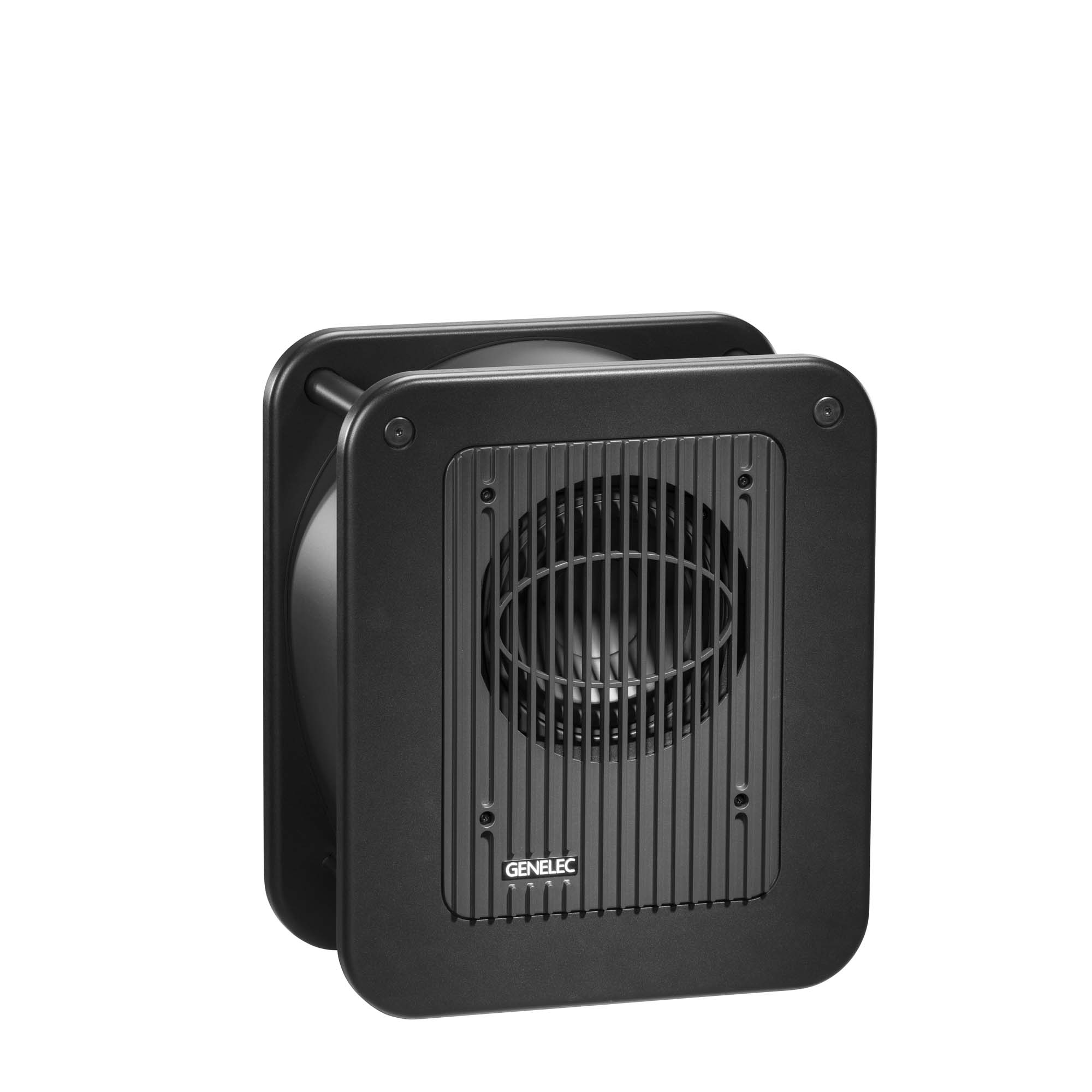
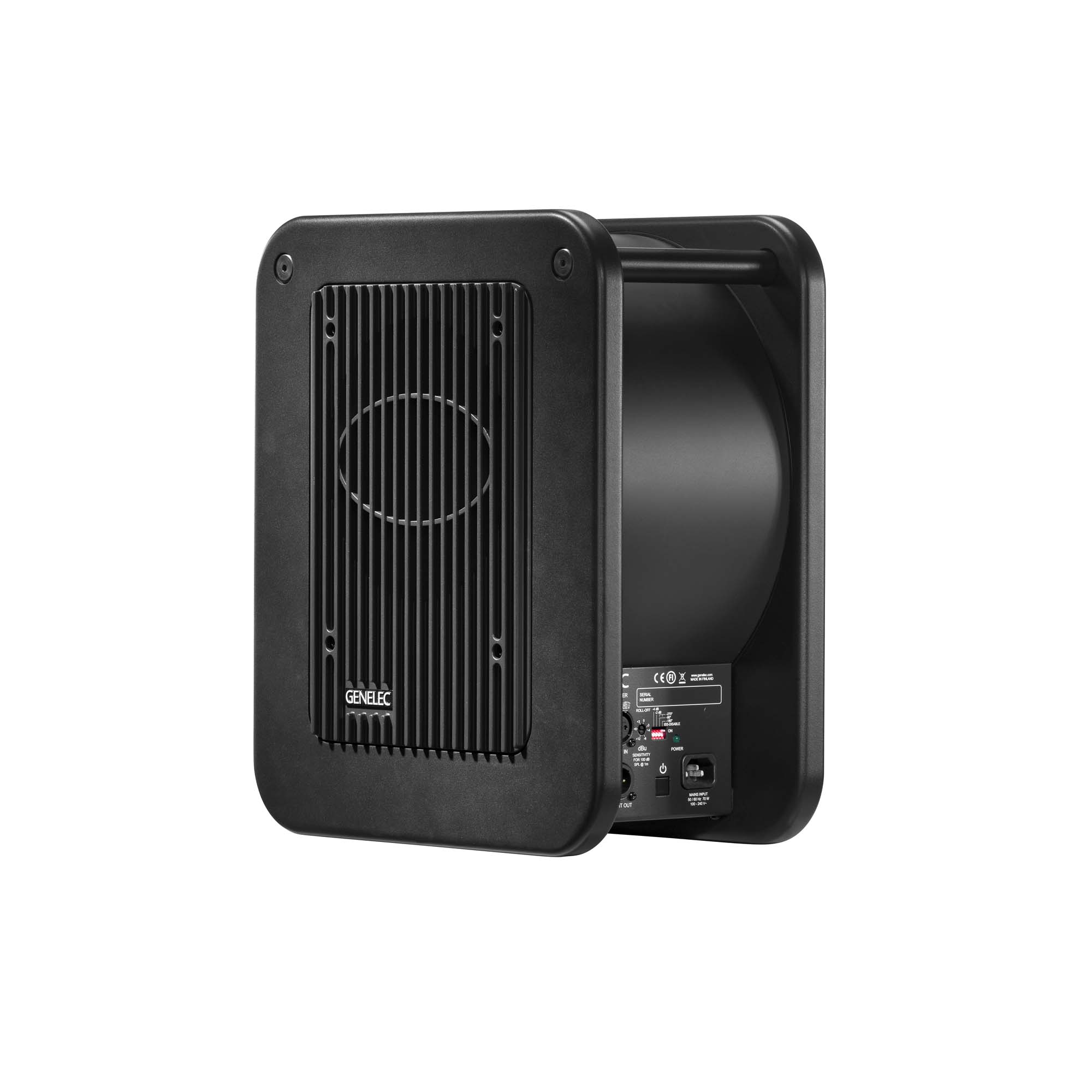
Värivaihtoehdot:
Genelec
7040A Studiosubwoofer
7040A
Palkinnot
SPL
100 dB

Vahvistimen teho
50 W Basso (Class D)
Taajuusvaste
30 Hz - 90 Hz ("-6 dB")

Taajuusvasteen tarkkuus
± 3 dB (33 Hz - 85 Hz)

Kaiutinelementtien mitat
⌀ 165 mm Basso (muunna tuumiksi)
Mitat
H 410 x W 350 x D 205 mm, (muunna tuumiksi)

Paino
11.3 kg / 24.9 lb

Liitännät
2 x XLR Analoginen Sisääntulo
2 x XLR Analoginen Ulostulo
7040A Studio Subwoofer
Studiosubwoofer
Tekniset tiedot
Erittäin pienikokoinen Genelec 7040A subwoofer toistaa matalat taajuudet tarkasti pienissä kuunteluympäristöissä.


Järjestelmän tiedot
Taajuusvaste
33 Hz - 85 Hz (± 3 dB)
Alarajataajuus -6 dB
30 Hz
Ylärajataajuus -6 dB
90 Hz

SPL
Hetkellinen maksimiäänenpaine Maximum short term sine wave SPL output averaged from 40 to 85 Hz, measured in half space at 1 meter.
≥100 dB
Akustinen pohjakohinataso
Akustinen pohjakohinataso Self generated noise level in half space at 1 m (A-weighted).
≤5 dB SPL
Paino
Paino11.3 kg (24.9 lb)
Mitat
Korkeus
410 mm
Leveys
350 mm
Syvyys
205 mm
Kotelo
Kotelomateriaali
MDF
Kotelotyyppi
Reflex port
Kaiutinelementit
Basso
Kaiutinelementtityyppi
Cone
Halkaisija
165 mm
Harmoninen särö
Harmonic distortion at 90 dB SPL at 1 m on axis in half space 40…85 Hz, 2nd ≤2.5 %
Vahvistimet
Vahvistimet
7040A bass amplifier
50 W Class D
A high-efficiency, low-distortion 50W Class D amplifier with integrated driver protection circuitry.
Käyttöjännite
100-240 VAC 50/60Hz
Tehonkulutus
ISS-valmiustilassa
≤0.5 W
Ilman kuormaa
≤5 W
Täysi kuormitus
70 W
Jakosuodin
Liitännät
2 x Sisääntulo Analog signal input connector XLR female, balanced 10 kOhm.
2 x Ulostulo XLR male.
Tuotevaihtoehdot
Tuotekoodit
Tuotekoodi
Tuotetiedot
EAN-koodi
CN-koodi
7040AP
7040A Studiosubwoofer
Tarkempia lisätietoja lisäksi tuoteoppaissa.
Avainteknologiat

Active Crossovers

Bass Management

Intelligent Signal Sensing (ISS™)

Laminar Spiral Enclosure (LSE™) Technology

Optimized Amplifiers

Protection Circuitry

Room Response Compensation
Aktiivisessa jakosuotimessa käsitellään linjatasoista signaalia.

Aktiiviset jakosuotimet jakavat audiosignaalin taajuuskaistoihin, jotka ohjataan erillisiin tehovahvistimiin. Vahvistimet on kytketty kyseiselle taajuuskaistalle optimoituihin kaiutinelementteihin.
Aktiivikaiuttimissa käytetään sekä digitaalisia että analogisia jakosuotimia. Genelecin digitaalisissa aktiivijakosuotimissa on myös muita signaalinkäsittelytoiminnallisuuksia, kuten elementtien suojaus, lentoaikakompensointi ja taajuuskorjaus.
Genelecin analogisissa aktiivijakosuotimissa perustuu elektronisiin komponentteihin, jotka käsittelevät matalatasoista signaalia ennen tehovahvistusta. Aktiiviset jakosuotimet eroavat toimintaperiaatteeltaan passiivisista jakosuotimista, joissa käsitellään voimakkaita signaaleja, suurta virtaa ja toisinaan myös suurta jännitettä.
Tyypillisessä kaksitiekaiuttimessa tulosignaali jakosuodatetaan kahdelle erilliselle tehovahvistimelle, joista toinen ohjaa bassoelementtiä ja toinen diskanttielementtiä.
Aktiivisella jakosuodinteknologialla on useita etuja:
- Elementin sähködynaamiset muutokset eivät vaikuta taajuusvasteeseen.
- Signaalia voidaan säätää joustavasti käytettävän elementin ominaisuuksien mukaisesti.
- Jokaisen elementin tulosignaali prosessoidaan ja vahvistetaan yksilöllisesti. Yksittäisten elementtien signaalit eivät häiritse toisiaan, mikä vähentää keskeismodulaatiosäröä ja yliohjausongelmia.
- Elementtien välisiä herkkyyseroja voidaan kompensoida.
- Elementin ominaisuuksiin liittyviä taajuus- ja vaihevasteen poikkeamia voidaan kompensoida halutulla päästökaistalla.
- Aktiivinen jakosuodin mahdollistaa lisäksi taajuusvasteen säätämisen sekä kaiuttimen optimoinnin kaiutinjärjestelmään ja erilaisiin kuunteluympäristöihin ilman ulkoisia taajuuskorjaimia. Tuloksena on yksinkertainen, luotettava, tehokas, tarkka ja johdonmukaisesti käyttäytyvä aktiivikaiutinjärjestelmä.
Monikanavainen bassonhallintajärjestelmä suodattaa matalat taajuudet subwooferin toistettavaksi.
Bassonhallinnan periaate on, että pääkanavien ja Low Frequency Effect (LFE) -kanavan bassosisältö ohjataan ja toistetaan vain niitä käsittelemään kykenevistä kaiuttimista eli joko pääjärjestelmäkaiuttimista tai yhdestä tai useammasta alabassokaiuttimesta.
Stereoäänentoistossa tulee toistaa signaalit 20 hertsistä 20 kilohertsiin. Suuret monitietarkkailukaiutinjärjestelmät toistavat tällaiset laajat taajuuskaistat tasaisesti. Monikanavaisten äänentoistojärjestelmien, ammattimaisten äänentoistojärjestelmien ja kotiäänentoistojärjestelmissä on pystyttävä toistamaan jokaisen kanavan taajuudet 20 hertsistä 20 kilohertsiin. Se vaatii pääkaiuttimien, alabassokaiuttimien ja jakosuodinelektroniikan yhteistoimintaa.
Bassonhallintajärjestelmä käyttää joko analogisia elektroniikkapiirejä tai ohjelmistopohjaista suodatusta, joka suodattaa matalien taajuuksien informaation pääkanavilta ja ohjaa sen yhteen tai useampaan alabassokaiuttimeen.
LFE-kanavaa voidaan monitoroida myös alabassokaiuttimen kautta ja lisätä muiden pääkanavien mataliin taajuuksiin. Siksi bassonhallinnan tärkein tavoite on taata kaikkien kanavien koko taajuuskaistan tarkka monitorointi.

Bassonhallinnan etuja:
- Alabassokaiutin laajentaa järjestelmän taajuusvasteen kuultavien taajuuksien alarajalle.
- Kun tarkkailukaiutin ei toista matalia taajuuksia, se voi tuottaa suuremman enimmäisäänitason.
- Optimoitu matalien taajuuksien toisto saavutetaan soveltuvalla alabassokaiuttimen sijainnilla, jolloin tarkkailukaiuttimet voidaan sijoittaa vapaammin.
- Alabassokaiuttimen toiston taso ja vaihe sovitetaan tarkkailukaiuttimiin, jolloin saavutetaan tasainen ja tarkka äänentoisto alas 19 hertsiin asti ja jakosuodinpisteen läpi.
- LFE-kanavan ulostulotaso (0 tai +10 dB pääkanavilla) voidaan valita lähdetyypin mukaisesti tarkan äänentoiston tuottamiseksi.
- Kun alabassokaiutin voidaan ohittaa, pystytään määrittämään alabassokaiuttimen kuultava teho.
Intelligent Signal Sensing (ISS™) -valmiustilatoiminto vähentää virrankulutusta.

Genelec kehitti vuonna 2013 Intelligent Signal-Sensing -piirin, joka täyttää sekä ErP-direktiivin vaatimukset että Genelecin omat direktiiviä tiukemmat vastuullisuusvaatimukset.
ISS™-piiri seuraa kaiuttimien signaalinsyöttöä ja havaitsee, milloin signaali on käytössä. Jos ISS-piiri ei havaitse audiosignaalia hetkeen, se asettaa kaiuttimen valmiustilaan, jossa kaiuttimen virrankulutus on alle 0,5 wattia. Kun syöttösignaali havaitaan, kaiutin kytkeytyy päälle itsestään. Kaiutinjärjestelmä alkaa siis säästää sähköä heti, kun työskentely katkeaa.
Jokaisen kaiuttimen taustalevyssä on huonevasteen säätimien vieressä ISS Disable -kytkin. Kun päävirtakytkin on asennossa ON, ISS™-toiminto on oletusarvoisesti päällä.
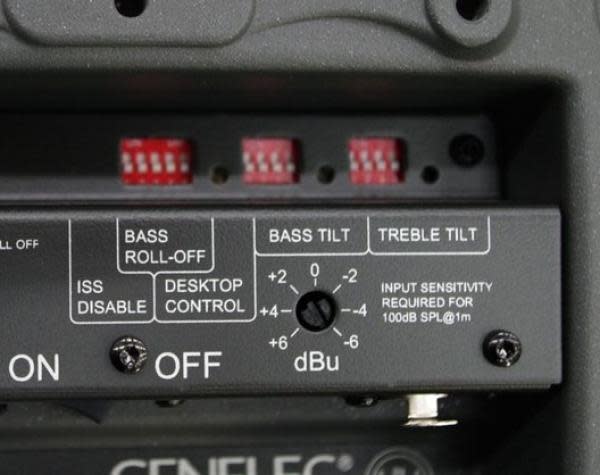
Jos ISS-toimintoa ei haluta käyttää, se voidaan poistaa käytöstä kääntämällä ISS Disable -kytkin asentoon ON. Tällöin kaiuttimen virransyöttöä ohjataan päävirtakytkimestä.
Päävirtakytkin katkaisee kaiuttimen virransyötön kokonaan.
Laminar Spiral Enclosure (LSE™) -kotelorakenne mahdollistaa tarkan matalien taajuuksien toiston.

Viime vuosikymmenen aikana subwoofereihin kohdistuneet akustiset vaatimukset ovat konkreettisesti kasvaneet sellaisiksi, etteivät perinteiset suunnitteluperiaatteet enää riitä. Alan markkinajohtajien velvollisuus on tehdä rohkeita kokeiluja parhaan mahdollisen suorituskyvyn saavuttamiseksi.Genelecin insinöörit hyväksyivät heille asetetun haasteen useiden vuosien kokemuksella akustiikan tutkimuksesta ja tietotaidosta. LSE™ Laminar Spiral Enclosuren kaareva muoto on tulosta heidän työstään.

Spiraalimaisella rakenteella voidaan bassorefleksikaiuttimessa kriittinen putki integroida muuhun kotelorakenteeseen tavalla, joka perinteisssä suorakaiteenmuotoisessa kotelossa olisi mahdotonta. LSE™ -rakenteella voidaan tilavuudeltaan suhteellisen pieneenkin koteloon rakentaa pitkä ja pinta-alaltaan suuri ja samalla kertaa muuttuvaprofiilinen refleksiputki, jonka virtausominaisuudet säilyvät lineaarisina hyvinkin suurilla äänenpaineilla ja matalilla taajuuksilla. Myös putken päät voidaan muotoilla virtausteknisesti edullisesti, ja virtausääniä vähentää edelleen se rakenteesta johtuva etu, ettei putken kotelon seinänä jatkuva sivu käytännössä pääty lainkaan.

Elementtikohtaisesti optimoidut tehovahvistimet.

Elektroniset jakosuotimet jakavat audiosignaalin taajuuskaistan osiin, jotka voidaan ohjata erillisiin vahvistimiin. Vahvistimet on liitetty kyseiselle taajuuskaistalle optimoituihin muuntimiin.
Tyypillisessä kaksitiekaiuttimessa aktiivinen jakosuodin tarvitsee kaksi vahvistinta: yhden bassoelementille ja toisen diskanttielementille. Vahvistimet liitetään suoraan aktiivikaiuttimien elementteihin, jolloin vahvistimien kuormitus on tunnettu ja yksinkertaisempi. Jokaisella elementtikohtaisella vahvistimella on vain rajallinen taajuusalue, jota se vahvistaa (vahvistin sijoitetaan aktiivisen jakosuotimen taakse), mikä yksinkertaistaa rakennetta.
Aktiivisella rakenteella on useita etuja:
- Vahvistimet liitetään suoraan kaiutinelementteihin, mikä tehostaa vahvistimien elementin äänikäämin vaimennuksen hallintaa ja vähentää dynaamisten muutosten esiintymistä elementin sähköominaisuuksissa. Se saattaa parantaa järjestelmän siirtymävastetta.
- Vahvistimen lähtövaatimukset ovat pienemmät. Kun energiaa ei mene hukkaan passiivisen jakosuotimen komponenteissa, vahvistimen tehovaatimukset ovat huomattavasti pienemmät (jopa puolta pienemmät joissakin tapauksissa) ilman, että kaiuttimen akustinen teho heikkenee. Tämä saattaa pienentää kustannuksia ja parantaa äänenlaatua ja järjestelmän luotettavuutta.
- Kun vahvistimen ja elementin välissä ei tapahdu hävikkiä, saavutetaan äärimmäinen akustinen tehokkuus.
- Aktiivinen teknologia pystyy tuottamaan ylivoimaisen äänentoiston suhteessa kokoon ja matalaan alarajataajuuteen.
- Kaikki kaiuttimet toimitetaan tehtaalla sovitettuina järjestelminä (vahvistimet, jakosuotimet ja kotelo-elementtijärjestelmät).
Yliohjauksen suojapiiri takaa turvallisen käytön ja elementtien pitkäikäisyyden.

Kriittisissä audiotuotantoympäristöissä on ratkaisevaa, että monitorointijärjestelmä on luotettava ja aina käytettävissä. Yksi tärkeimmistä syistä Genelecin menestykseen lähetystarkkaamokäytössä on tuotteidemme luotettavuus. Luotettavuuden takeena on sisäinen suojapiiri, joka on ollut kaikissa tuotteissa vuodesta 1978 lähtien.
Suojapiiri ehkäisee elementtien vikatiloja havaitsemalla signaalitasoja. Mikäli signaalissa esiintyy yhtäkkisiä piikkejä tai jatkuvia liian korkeita tasoja, suojapiiri laskee signaalin tasoa automaattisesti. Suojapiirin toiminta ei luonnollisestikaan vaikuta äänenlaatuun millään tavalla työskenneltäessä kaiuttimen määritellyissä käyttöolosuhteissa. Se vain ehkäisee signaaleja rikkomasta kaiutinta.
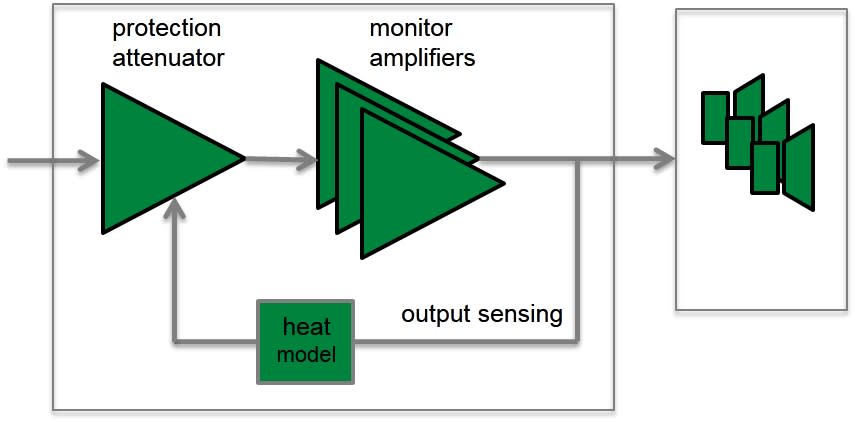
Suojapiirin ominaisuudet ja edut:
- Laskee signaalin tasoa tarvittaessa (esimerkiksi kun elementin äänikäämin lämpötila saavuttaa turvarajan), mikä parantaa kaiuttimen luotettavuutta merkittävästi.
- Jokaisen kaiuttimen ja alabassokaiuttimen sopiva suojapiirirakenne sallii järjestelmän äänitason maksimoimisen.
Huonevasteen kompensointi mahdollistaa kaiuttimen sovittamisen akustiseen ympäristöön.
Huoneakustiikan ja kaiuttimen säteilyn välinen suhde on monimutkainen asia. Jokainen tila vaikuttaa tarkkailukaiuttimen vasteeseen omalla tavallaan – esimerkiksi heijastavat ja vaimentavat tilat – samoin kuin kaiuttimen sijoittaminen seinää vasten tai irti seinästä.
Kaikissa Genelecin kaiutinjärjestelmissä on huonevasteen korjaus, joka kompensoi tilan vaikutuksia äänentoistoon ja tuottaa tasaisen taajuusvasteen kuuntelupaikassa.
Analogiset järjestelmät
Genelecin analogiset kaiutinjärjestelmät tarjoavat monipuoliset huonevasteen säätömahdollisuudet. Säätömahdollisuuksia ovat (kaiutinmallista riippuen):
- Bass Roll-Off ja Bass Tilt
- Treble Tilt ja Treble Roll-Off
- Bass Level
- Midrange Level
- Treble Level
- Desktop Control

Matalilla taajuuksilla käytettävissä on kaksi pääsäätöä. Bass Tilt toimii hyllysuodattimena, kun taas Bass Roll-off sallii optimoida matalien ja erittäin matalien taajuuksien taajuusvastetta eri kohteissa. Bass, Midrange ja Treble Level ovat käytettävissä isoissa järjestelmissä. Nämä säädöt optimoivat eri päästökaistojen välistä suhteellista tasapainoa.
Kunkin kaiuttimen käyttöohje ja datalehti sisältävät luettelon erilaisten asennusten ensisijaisista huonevasteasetuksista. Ne on määritetty pitkän käytännön kokemuksemme ja erilaisissa akustiikkaympäristöissä tekemiemme mittausten perusteella.
Smart Active Monitor (SAM™) -tarkkailukaiuttimet
Genelecin SAM-järjestelmät ovat kokonaisvaltainen, ratkaisukeskeinen, älykkäästi verkostoituva tuotevalikoima, jonka kaikki tuotteet käyttävät Genelec Loudspeaker Manager (GLM™) -ohjelmistoa ja automaattisesta AutoCal™-kalibrointitekniikkaa.
Genelec AutoCal on alan ensimmäinen täysin integroitu ja automaattinen prosessi GLM-ohjausverkkoon liitettyjen kaiuttimien mittaamiseen, analysointiin ja kalibrointiin. Järjestelmä mittaa kuuntelualueen vasteen ja tekee tarvittavat kompensaatiot matalilla ja matalilla keskitaajuuksilla ja minimoi näin huoneakustiikkaa heikentävät poikkeamat ja eri kuuntelupaikkojen väliset erot. AutoCal sovittaa kaikkien verkon kaiuttimien suhteelliset tasot, kompensoi etäisyyseroja ja säätää kaikkien verkon alabassokaiuttimien jakosuodinvaiheet (AutoPhase).
Acoustic Response Editor tarjoaa tarkan graafisen esityksen mitatusta vasteesta, suodatuksen kompensoinnista ja kunkin kaiuttimen järjestelmävasteesta sekä mahdollisuuden akustiikka-asetusten manuaaliseen säätämiseen.
Yhteensopivat tuotteet


Referenssit


Bonedo Magazin (online): 7040A Review, August 2015 (DE)
"Genelec wirft mit dem 7040A einen für Genelec-Verhältnisse sehr kompakten Subwoofer auf den professionellen Markt, der mit innovativem Design als ideale Ergänzung für die kleineren Monitorsysteme 8010, 8020 und M030 dienen soll."
-Felix Klostermann, the author of the review article
{"fi-FI":"7040A Subwoofer online review in German by Bonedo Magazin (DE). August 2015.\n\nRead the full review: [Bonedo Magazin 7040A Review](https://www.bonedo.de/artikel/einzelansicht/genelec-7040a-test.html "Bonedo Magazin 7040A Review")","ru-RU":"7040A Subwoofer online review in German by Bonedo Magazin (DE). August 2015.\n\nRead the full review: [Bonedo Magazin 7040A Review](https://www.bonedo.de/artikel/einzelansicht/genelec-7040a-test.html "Bonedo Magazin 7040A Review")","de-DE":"7040A Subwoofer online review in German by Bonedo Magazin (DE). August 2015.\n\nRead the full review: [Bonedo Magazin 7040A Review](https://www.bonedo.de/artikel/einzelansicht/genelec-7040a-test.html "Bonedo Magazin 7040A Review")","en-US":"7040A Subwoofer online review in German by Bonedo Magazin (DE). August 2015.\n\nRead the full review: [Bonedo Magazin 7040A Review](https://www.bonedo.de/artikel/einzelansicht/genelec-7040a-test.html "Bonedo Magazin 7040A Review")","sv-SE":"7040A Subwoofer online review in German by Bonedo Magazin (DE). August 2015.\n\nRead the full review: [Bonedo Magazin 7040A Review](https://www.bonedo.de/artikel/einzelansicht/genelec-7040a-test.html "Bonedo Magazin 7040A Review")","pt-BR":"7040A Subwoofer online review in German by Bonedo Magazin (DE). August 2015.\n\nRead the full review: [Bonedo Magazin 7040A Review](https://www.bonedo.de/artikel/einzelansicht/genelec-7040a-test.html "Bonedo Magazin 7040A Review")","es-ES":"7040A Subwoofer online review in German by Bonedo Magazin (DE). August 2015.\n\nRead the full review: [Bonedo Magazin 7040A Review](https://www.bonedo.de/artikel/einzelansicht/genelec-7040a-test.html "Bonedo Magazin 7040A Review")","fr-FR":"7040A Subwoofer online review in German by Bonedo Magazin (DE). August 2015.\n\nRead the full review: [Bonedo Magazin 7040A Review](https://www.bonedo.de/artikel/einzelansicht/genelec-7040a-test.html "Bonedo Magazin 7040A Review")","ja-JP":"7040A Subwoofer online review in German by Bonedo Magazin (DE). August 2015.\n\nRead the full review: [Bonedo Magazin 7040A Review](https://www.bonedo.de/artikel/einzelansicht/genelec-7040a-test.html "Bonedo Magazin 7040A Review")"}
Etsi jälleenmyyjäsi
 Rajausvaihtoehdot

Dokumentit
Dokumentit
Operating Manual 7040A Brochure 7040A - English 7040超紧凑低音音箱 - Chinese Bass Management User Guide Classic Active Monitoring Series Catalogue 2018 Genelec Home Studio Audio Monitoring Guide (2023) Genelec 7040A Operating Manual - Chinese Genelec Home Studio Audio Monitoring Guide (German version)UKK
Yes, when an analogue signal source is used. The analogue signal first goes to the 7000A Series subwoofer and then onwards to the analogue inputs of the SAM™ monitors.
Damping Materials Used in Our Monitors
Genelec products use various damping materials such as glass fiber wool, linen fiber wool, and polyester fiber based material (PES). The tables presented below provide a detailed listing of our monitor models and the type of damping material used in each model.
During operation, the air moving in and out of the monitor loudspeaker or subwoofer bass reflex openings does not emit significant amounts of fiber particle dust. The PES wool as material does not emit dust. The linen wool, and glass fiber wool can emit minimum amounts of dust during very high sound level operation. This fiber dust is not hazardous to health.
Studio monitors
| SAM™ Studio Monitors | Damping material type |
|---|---|
| 1032C | PES |
| 8320A | PES |
| 8330A | PES |
| 8340A | PES |
| 8350A | PES |
| 8130A | PES |
| 8240A | PES |
| 8250A | PES |
| 8331A | PES |
| 8341A | PES |
| 8351A | PES |
| 8351B | PES |
| 8361A | PES |
| S360 | PES |
| 8260A | Linen wool |
| 1238CF | Linen wool |
| 1238DF | Linen wool |
| 1237A | Linen wool |
| 1238A | Glass wool |
| 1238AC | Glass wool |
| 1234A | Glass wool |
| 1234AC | Glass wool |
| 1236A | Glass wool |
| SAM™ Studio Subwoofers | Damping material type |
|---|---|
| 7260A | Linen wool |
| SE7261A | Linen wool |
| 7270A | Linen wool |
| 7271A | Linen wool |
| 7350A | Linen wool |
| 7360A | Linen wool |
| 7370A | Linen wool |
| 7380A | Linen wool |
| 7382A | Linen wool |
| 8000 Series Studio Monitors | Damping material type |
|---|---|
| 8010A | PES |
| 8020D | PES |
| 8030B | PES |
| 8030C | PES |
| 8040B | PES |
| 8050B | PES |
| 1000 Series Studio Monitors | Damping material type |
|---|---|
| 1032B | Linen wool |
| 1037C | Linen wool |
| 1038CF | Glass wool |
| 1038B | Glass wool |
| 1038BC | Glass wool |
| 1034B | Glass wool |
| 1034BC | Glass wool |
| 1039A | Glass wool |
| 1035B | Glass wool |
| 1036A | Glass wool |
| M Series Studio Monitors | Damping material type |
|---|---|
| M030 | PES |
| M040 | PES |
| 7000 Series Studio Subwoofers | Damping material type |
|---|---|
| 7040A | Linen wool |
| 7050B | None |
| 7050C | Linen wool |
| 7060B | Linen wool |
| 7070A | Linen wool |
| 7071A | Linen wool |
| 7073A | Glass wool |
Home Speakers
| G Series Active Speakers | Damping material type |
|---|---|
| G One | PES |
| G Two | PES |
| G Three | PES |
| G Four | PES |
| G Five | PES |
| F Series Active Subwoofers | Damping material type |
|---|---|
| F One | None |
| F Two | PES |
| Home Theater Speaker Series | Damping material type |
|---|---|
| HT210B | Linen wool |
| HT312B | Glass wool |
| HT315B | Glass wool |
| HT320BC | Glass wool |
| HT324A | Glass wool |
| HT324AC | Glass wool |
| HT330A | Glass wool |
| Home Theater Subwoofer Series | Damping material type |
|---|---|
| HTS3B | None |
| HTS4B | None |
| HTS6 | Glass wool |
Installation Speakers
| 4000 Series Installation Speakers | Damping material type |
|---|---|
| 4010A | PES |
| 4020B | PES |
| 4020C | PES |
| 4030B | PES |
| 4030C | PES |
| 4040A | PES |
| Architectural Speaker Series | Damping material type |
|---|---|
| AIC25 | PES |
| AIW25 | PES |
| AIW26 | Linen Wool |
| AIW26B | Linen Wool |
| AOW312 | Glass wool |
| 5041A | Linen Wool |
Trials and Measurements
The best location for a subwoofer can be determined by trial and measurements using the appropriate acoustical measuring tools. When measuring a subwoofer system you are looking for a smooth extension of the frequency response from the main monitor low frequency cut-off (85 Hz when using the internal subwoofer bass management crossover) down to the subwoofer low frequency cut-off point.
Placing the subwoofer slightly offset from the centre of the front wall
The subwoofer is typically placed slightly offset from the centre of the front wall. This gives the following benefits:
- Increased acoustical loading from the front wall and floor improves the sound output in the subwoofer
- No acoustic cancellations because of the front wall and the floor
- Typically a relatively flat low frequency response in the subwoofer
If the sound is still not completely right...
If the sound is still not quite right, then try the following:
- Move the subwoofer slightly further away from the room’s centre line. This modifies the way the subwoofer interacts with the room.
- Add a second subwoofer, located at some distance from the first subwoofer.
- If there are two subwoofers, try moving them to the front corners or to the side walls, as this sometimes helps with problematic rear wall reflections.
Some additional things to consider
- Subwoofers can be flush-mounted; the cabinet takes up less space in the room. No changes in the low frequency radiation load will occur.
- Subwoofer driver can face the wall. A subwoofer can be placed with its side along the wall. Make sure there is enough space at the reflex port opening (at least 50 mm). Subwoofers are not directional.
- Do not place the subwoofer front baffle (driver) more than 0.60 meters from the nearest wall. This avoids acoustic cancellations in the subwoofer output.
- Place the subwoofer first at the listening position. Move the measuring microphone to different possible subwoofer positions (typically along the walls) to see which position gives the flattest response. Then, move the subwoofer to this position. This is called using the__ reciprocity principle of acoustics__. It is easier to move a small microphone around than a heavy subwoofer!
Bonedo Magazin (online): 7040A Review, August 2015 (DE)
"Genelec wirft mit dem 7040A einen für Genelec-Verhältnisse sehr kompakten Subwoofer auf den professionellen Markt, der mit innovativem Design als ideale Ergänzung für die kleineren Monitorsysteme 8010, 8020 und M030 dienen soll."
-Felix Klostermann, the author of the review article
7040A Subwoofer online review in German by Bonedo Magazin (DE). August 2015.
Read the full review: Bonedo Magazin 7040A Review
UKK
Yes, when an analogue signal source is used. The analogue signal first goes to the 7000A Series subwoofer and then onwards to the analogue inputs of the SAM™ monitors.
Damping Materials Used in Our Monitors
Genelec products use various damping materials such as glass fiber wool, linen fiber wool, and polyester fiber based material (PES). The tables presented below provide a detailed listing of our monitor models and the type of damping material used in each model.
During operation, the air moving in and out of the monitor loudspeaker or subwoofer bass reflex openings does not emit significant amounts of fiber particle dust. The PES wool as material does not emit dust. The linen wool, and glass fiber wool can emit minimum amounts of dust during very high sound level operation. This fiber dust is not hazardous to health.
Studio monitors
| SAM™ Studio Monitors | Damping material type |
|---|---|
| 1032C | PES |
| 8320A | PES |
| 8330A | PES |
| 8340A | PES |
| 8350A | PES |
| 8130A | PES |
| 8240A | PES |
| 8250A | PES |
| 8331A | PES |
| 8341A | PES |
| 8351A | PES |
| 8351B | PES |
| 8361A | PES |
| S360 | PES |
| 8260A | Linen wool |
| 1238CF | Linen wool |
| 1238DF | Linen wool |
| 1237A | Linen wool |
| 1238A | Glass wool |
| 1238AC | Glass wool |
| 1234A | Glass wool |
| 1234AC | Glass wool |
| 1236A | Glass wool |
| SAM™ Studio Subwoofers | Damping material type |
|---|---|
| 7260A | Linen wool |
| SE7261A | Linen wool |
| 7270A | Linen wool |
| 7271A | Linen wool |
| 7350A | Linen wool |
| 7360A | Linen wool |
| 7370A | Linen wool |
| 7380A | Linen wool |
| 7382A | Linen wool |
| 8000 Series Studio Monitors | Damping material type |
|---|---|
| 8010A | PES |
| 8020D | PES |
| 8030B | PES |
| 8030C | PES |
| 8040B | PES |
| 8050B | PES |
| 1000 Series Studio Monitors | Damping material type |
|---|---|
| 1032B | Linen wool |
| 1037C | Linen wool |
| 1038CF | Glass wool |
| 1038B | Glass wool |
| 1038BC | Glass wool |
| 1034B | Glass wool |
| 1034BC | Glass wool |
| 1039A | Glass wool |
| 1035B | Glass wool |
| 1036A | Glass wool |
| M Series Studio Monitors | Damping material type |
|---|---|
| M030 | PES |
| M040 | PES |
| 7000 Series Studio Subwoofers | Damping material type |
|---|---|
| 7040A | Linen wool |
| 7050B | None |
| 7050C | Linen wool |
| 7060B | Linen wool |
| 7070A | Linen wool |
| 7071A | Linen wool |
| 7073A | Glass wool |
Home Speakers
| G Series Active Speakers | Damping material type |
|---|---|
| G One | PES |
| G Two | PES |
| G Three | PES |
| G Four | PES |
| G Five | PES |
| F Series Active Subwoofers | Damping material type |
|---|---|
| F One | None |
| F Two | PES |
| Home Theater Speaker Series | Damping material type |
|---|---|
| HT210B | Linen wool |
| HT312B | Glass wool |
| HT315B | Glass wool |
| HT320BC | Glass wool |
| HT324A | Glass wool |
| HT324AC | Glass wool |
| HT330A | Glass wool |
| Home Theater Subwoofer Series | Damping material type |
|---|---|
| HTS3B | None |
| HTS4B | None |
| HTS6 | Glass wool |
Installation Speakers
| 4000 Series Installation Speakers | Damping material type |
|---|---|
| 4010A | PES |
| 4020B | PES |
| 4020C | PES |
| 4030B | PES |
| 4030C | PES |
| 4040A | PES |
| Architectural Speaker Series | Damping material type |
|---|---|
| AIC25 | PES |
| AIW25 | PES |
| AIW26 | Linen Wool |
| AIW26B | Linen Wool |
| AOW312 | Glass wool |
| 5041A | Linen Wool |
Trials and Measurements
The best location for a subwoofer can be determined by trial and measurements using the appropriate acoustical measuring tools. When measuring a subwoofer system you are looking for a smooth extension of the frequency response from the main monitor low frequency cut-off (85 Hz when using the internal subwoofer bass management crossover) down to the subwoofer low frequency cut-off point.
Placing the subwoofer slightly offset from the centre of the front wall
The subwoofer is typically placed slightly offset from the centre of the front wall. This gives the following benefits:
- Increased acoustical loading from the front wall and floor improves the sound output in the subwoofer
- No acoustic cancellations because of the front wall and the floor
- Typically a relatively flat low frequency response in the subwoofer
If the sound is still not completely right...
If the sound is still not quite right, then try the following:
- Move the subwoofer slightly further away from the room’s centre line. This modifies the way the subwoofer interacts with the room.
- Add a second subwoofer, located at some distance from the first subwoofer.
- If there are two subwoofers, try moving them to the front corners or to the side walls, as this sometimes helps with problematic rear wall reflections.
Some additional things to consider
- Subwoofers can be flush-mounted; the cabinet takes up less space in the room. No changes in the low frequency radiation load will occur.
- Subwoofer driver can face the wall. A subwoofer can be placed with its side along the wall. Make sure there is enough space at the reflex port opening (at least 50 mm). Subwoofers are not directional.
- Do not place the subwoofer front baffle (driver) more than 0.60 meters from the nearest wall. This avoids acoustic cancellations in the subwoofer output.
- Place the subwoofer first at the listening position. Move the measuring microphone to different possible subwoofer positions (typically along the walls) to see which position gives the flattest response. Then, move the subwoofer to this position. This is called using the__ reciprocity principle of acoustics__. It is easier to move a small microphone around than a heavy subwoofer!
Bass Management means that a subwoofer is used in the reproduction of the low frequencies in all the audio channels instead of the monitors. Bass Management enables easier installation of monitors in the listening room as the acoustical problems in the room can be managed more efficiently.